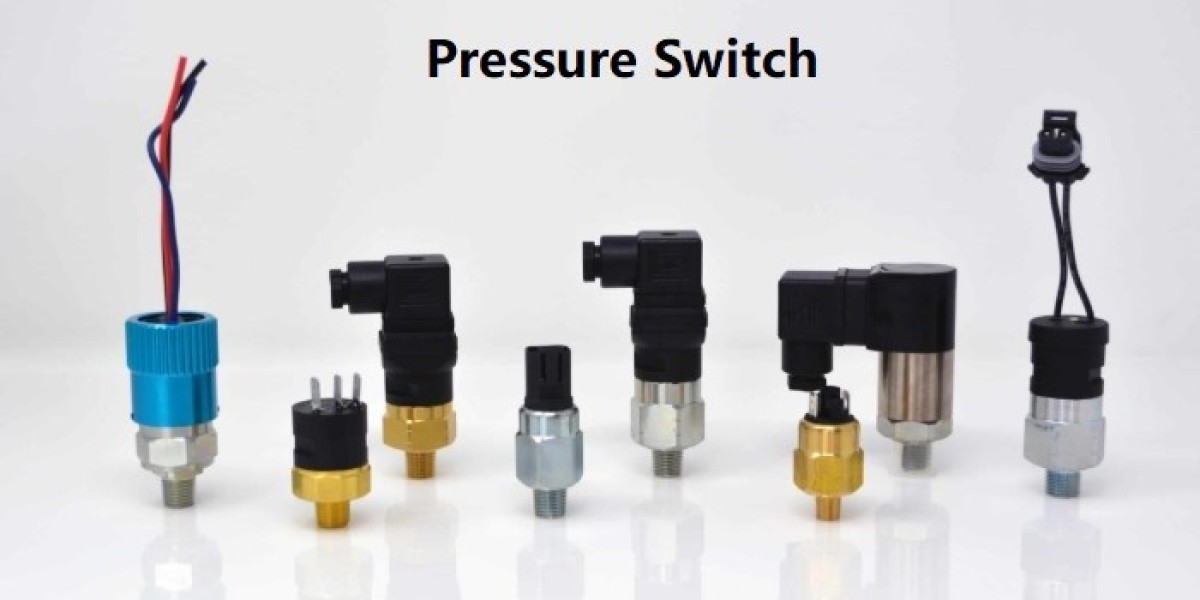

Efficient liquid management is essential across industrial, commercial, and municipal applications. From water treatment facilities to storage tanks and process systems, Float Switch technology plays a vital role in monitoring liquid levels and supporting automated operations, while advanced Float Switch solutions help improve system reliability, reduce operational risks, and ensure accurate level control in a wide variety of demanding environments.
The Importance of Liquid Level Monitoring
Liquid level management is a critical aspect of many industrial operations. Accurate monitoring helps prevent overflow, equipment damage, resource waste, and production interruptions.
In facilities that handle water, chemicals, oils, or other fluids, maintaining proper levels is essential for both safety and operational efficiency. Reliable monitoring systems enable automatic responses when liquid reaches predetermined points, helping maintain consistent performance.
Automation has become increasingly important in modern facilities. By reducing the need for manual supervision, level control technologies help organizations improve productivity while minimizing human error.
As industries continue to modernize, dependable liquid monitoring solutions remain fundamental components of efficient operational management.
Engineering Factors Behind Reliable Performance
Effective level monitoring devices must operate consistently despite challenging environmental conditions. Industrial settings often expose equipment to moisture, temperature changes, vibration, and continuous use.
Durable construction is essential for maintaining long-term reliability. High-quality materials help resist corrosion and mechanical wear, ensuring stable operation throughout extended service periods.
Precision design contributes to accurate response characteristics and dependable functionality. Well-engineered components help maintain operational consistency even under varying conditions.
Quality manufacturing processes further enhance product reliability. Strict inspection procedures help verify that every unit meets performance expectations before deployment.
These engineering considerations support dependable operation across diverse applications and industries.
MONROSWITCH Float Switch Technology and Innovation
Modern industrial systems require monitoring solutions that combine durability, efficiency, and compatibility with automated processes. MONROSWITCH focuses on developing technologies that support reliable liquid level management in complex operating environments.
Advanced engineering methods help optimize product performance while maintaining structural integrity. Digital development tools enable continuous refinement of product designs and operational characteristics.
Manufacturing precision plays a key role in ensuring consistency. Careful material selection and rigorous production controls contribute to long-term product stability.
Ongoing innovation supports compatibility with evolving automation systems. As industrial facilities adopt more connected technologies, monitoring devices must integrate effectively with modern control platforms.
Through continuous improvement and quality-focused development, advanced level monitoring solutions continue to support industrial efficiency and operational reliability.
Applications Across Industrial and Commercial Sectors
Liquid level monitoring technology serves a broad range of industries and applications. Water treatment facilities depend on automated systems to regulate storage capacity and maintain efficient processing operations.
Manufacturing plants use liquid control solutions to support production processes involving cooling systems, cleaning operations, and material handling equipment.
Agricultural irrigation systems benefit from automated monitoring technologies that help manage water resources effectively and improve operational efficiency.
Energy facilities rely on dependable monitoring systems to support fluid management and equipment protection. Accurate level control contributes to safe and efficient operation.
Commercial buildings also utilize automated liquid management solutions in water storage systems, pumping stations, and facility maintenance infrastructure.
The versatility of level monitoring technology makes it valuable in numerous operational environments where reliability is essential.
Future Developments in Intelligent Fluid Management
The future of liquid level monitoring is closely connected to advances in automation, connectivity, and smart infrastructure. Modern facilities increasingly rely on real-time data to improve operational decision-making.
Integrated monitoring systems allow operators to access performance information remotely and respond quickly to changing conditions. This capability improves efficiency and enhances system oversight.
Predictive maintenance strategies are becoming more common as organizations seek to reduce downtime and extend equipment lifespan. Advanced monitoring technologies provide valuable insights that support proactive maintenance planning.
Sustainability initiatives are also driving innovation. Efficient fluid management systems help reduce waste, conserve resources, and improve environmental performance.
As industries continue to pursue greater efficiency and digital integration, advanced liquid monitoring technologies will remain important components of modern operational infrastructure. Organizations interested in learning more about innovative control solutions can visit https://www.monroswitch.com/ .