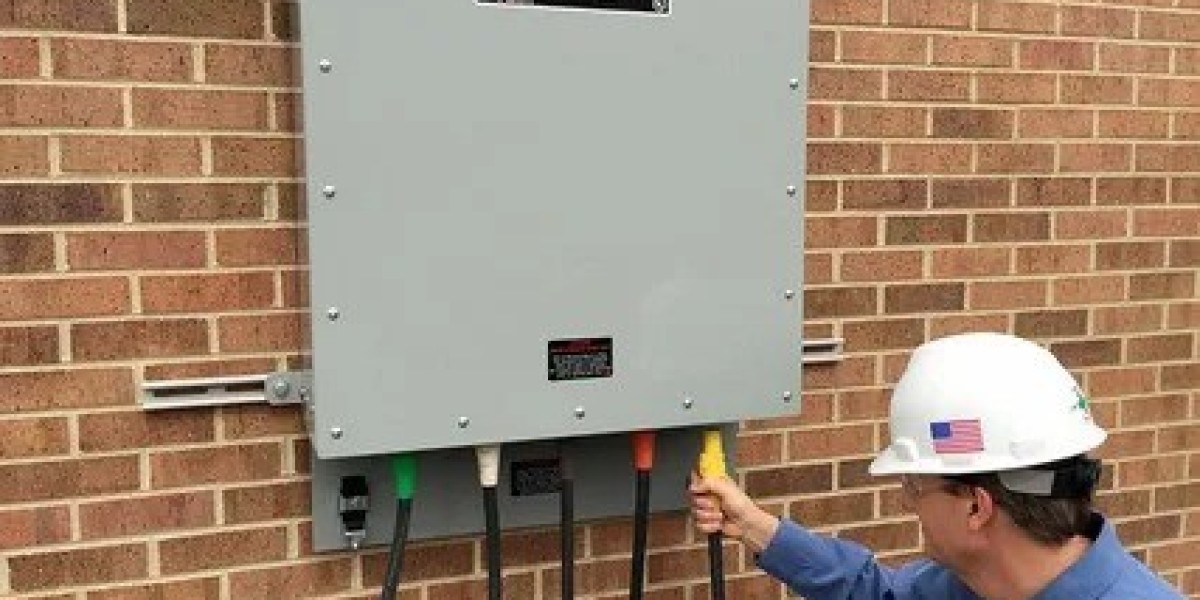

Power interruptions in commercial facilities create immediate operational problems, especially when multiple systems depend on uninterrupted electricity. I have seen situations where maintenance teams struggle with slow generator hookups, unclear wiring access, and unsafe temporary connections during emergencies. The result is delayed recovery, increased risk exposure, and unnecessary downtime. A generator docking station solves this by providing a fixed, organized connection point for portable or rental generators. It improves safety, speeds up restoration, and simplifies emergency response for facility managers who need predictable backup power performance under pressure.
What a Generator Docking Station Actually Is
A generator docking station is a permanently installed external connection point that allows a portable or rental generator to supply power directly to a building’s electrical system. It acts as an interface between the generator and the facility’s main distribution panel.
Instead of exposing live wiring or improvising connections during an outage, I can connect power through a controlled, pre-engineered entry point. This reduces risk and improves consistency during emergency operations.
In commercial environments such as hospitals, data centers, manufacturing plants, and office complexes, docking stations are becoming a critical part of electrical infrastructure planning.
Why Facility Managers Are Adopting Docking Stations
Modern facilities require faster recovery during power loss. Downtime affects productivity, safety systems, and communication networks. I have noticed that manual connection methods often create confusion during high-pressure situations.
A docking station eliminates uncertainty by standardizing the connection process. It ensures that every team member follows the same procedure, even during emergency deployment.
Key operational advantages include:
- Faster generator connection during outages
- Reduced risk of wiring errors
- Improved compliance with electrical safety standards
- Better coordination between maintenance teams
- Lower dependency on emergency rewiring
This structured approach significantly improves response time and operational stability.
Relationship Between Docking Stations and Transfer Systems
Docking stations are often used alongside transfer mechanisms that control how power enters a building. They do not replace switching systems but enhance them by simplifying the physical connection process.
In many facilities a Manual Transfer Switch is installed to control load selection between utility power and backup generation. When paired with a docking station, the entire process becomes more controlled and less error-prone.
I often see facility managers combine docking stations with a Manual Transfer Switch to maintain direct oversight of circuit prioritization while still benefiting from fast generator hookup capability.
Another important detail is grounding. Proper grounding systems ensure that the generator and building electrical network remain electrically stable during load transfer.
Installation Considerations for Facility Managers
Installing a generator docking station requires careful planning. It is not just a plug point but a structured part of the building’s power architecture.
Before installation, I evaluate:
- Building load capacity and critical circuits
- Generator compatibility and voltage requirements
- Physical placement for emergency accessibility
- Weather protection and enclosure rating
- Compliance with electrical codes and inspection standards
Poor placement can slow emergency response, while incorrect sizing may limit generator performance during peak load conditions.
Operational Workflow During an Outage
When a power outage occurs, the docking station becomes the central access point for emergency power delivery. The process is designed to reduce confusion and eliminate unsafe improvisation.
Typical workflow steps include:
- Disconnect utility power through controlled switching
- Position generator at designated docking point
- Connect power cables through docking interface
- Activate transfer system and prioritize critical loads
This process reduces downtime and ensures consistent energy distribution across essential systems.
In larger facilities, I have seen maintenance teams conduct regular drills to ensure staff are familiar with each step. This improves response speed during real emergencies.
Integration With Facility Power Systems
Generator docking stations work best when integrated into a complete electrical strategy. They are commonly paired with automatic controls, load management systems, and backup distribution panels.
In some industrial setups, power distribution units (PDUs) and switchgear assemblies are also connected to ensure stable load balancing.
Companies like roam technologies are increasingly involved in supporting modern backup infrastructure designs that focus on reliability and structured emergency connectivity.
Safety Improvements Over Traditional Connections
Before docking stations became common, many facilities relied on temporary cabling or direct panel connections during outages. This approach introduced significant risks, including incorrect wiring and exposure to live conductors.
Docking stations reduce these risks by isolating connection points and standardizing input pathways.
Important safety improvements include:
- Reduced exposure to energized wiring
- Lower chance of human error during installation
- Controlled load transfer sequence
- Clear labeling and standardized interfaces
I consider this one of the most important upgrades in modern facility power design because it directly reduces operational hazards.
Maintenance and Testing Requirements
Even though docking stations are passive systems, they still require periodic inspection. Dust buildup, connector wear, and environmental exposure can affect performance over time.
Routine checks usually include:
- Visual inspection of connectors and enclosures
- Verification of grounding continuity
- Testing compatibility with assigned generator units
- Ensuring access pathways remain unobstructed
Regular testing ensures the system performs correctly when it is needed most. I always recommend scheduled drills combined with electrical inspections to maintain readiness.
Final Thoughts
Generator docking stations have become an essential part of modern facility power management. They simplify emergency connections, reduce operational risk, and improve response time during outages. When integrated with systems like a Manual Transfer Switch, they provide structured control over critical electrical loads while maintaining safety standards.
For facility managers, this means fewer uncertainties during power disruptions and a more predictable backup strategy. As building energy demands continue to grow, docking stations are no longer optional infrastructure components but key elements of resilient power planning.