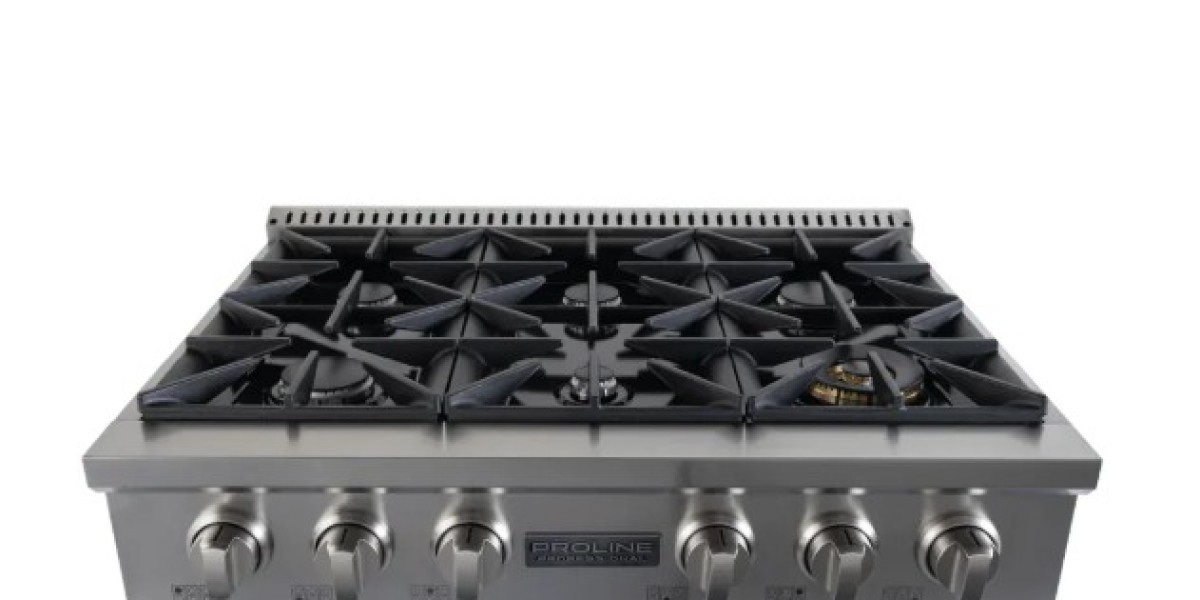

Serious home cooks tend to develop strong opinions about how their heat source behaves. Gas stove tops earn loyal fans because the visible flame responds instantly, giving precise control for searing, simmering, and everything between. Yet not every model delivers that promise equally, and the wrong burner layout can frustrate you at every meal. Choosing well means looking past the showroom shine to the details that shape daily use. This guide breaks down the factors that separate a satisfying surface from a disappointing one so your next cooktop truly fits the way you like to cook.
Why the Choice Matters
The cooktop is where most active cooking happens, so its responsiveness and layout affect every dish. Gas stove tops reward cooks who value instant adjustment, but only when the burners and grates are designed thoughtfully.
A poorly arranged surface crowds large pans together or hides a useful high output burner in an awkward corner. Getting the configuration right up front prevents daily annoyance.
Cooks who move quickly between tasks need a surface that keeps pace. A live flame gives immediate visual feedback, so you can dial heat up for a sear and drop it for a gentle simmer without guessing.
Key Features and Factors to Compare
Focus on the elements you will touch and watch during every cooking session rather than rarely used extras.
Quality and Performance Factor
Look for sturdy continuous grates, sealed burners for easy cleaning, and a range of output levels. Quality gas stove tops hold a low simmer without flickering out and reach a strong sear without strain.
Gas stove tops with continuous grates let you slide a heavy pot across the surface without lifting, which saves effort during a busy meal. Sealed burners contain spills and wipe clean in seconds, keeping the surface looking sharp even after an ambitious cooking session.
Pay attention to how evenly the burners hold a gentle flame, since a steady low setting is what lets sauces reduce slowly without scorching. A surface that simmers reliably is just as valuable as one that delivers a powerful sear when you need it.
Fit and Use Case Factor
Match burner count and surface width to your cooking and your counter. A household that hosts often benefits from more burners, while a compact kitchen may favor a tidy four burner layout.
Think about the largest gathering you usually cook for. A household that hosts often will appreciate an extra high output burner for stocks and stir fries, while a smaller kitchen may prefer a compact layout that leaves more room for prep beside the cooktop.
Leave yourself enough clear counter beside the cooktop for prep bowls and resting pans, because a generous surface means little if there is nowhere comfortable to stage ingredients during an energetic cooking session.
Long Term Value Factor
Durable materials and replaceable parts extend service life and protect your investment. Easy cleaning also keeps the surface looking good for years.
Replaceable grates and knobs extend the useful life of the appliance, so check that common parts are easy to source.
Questions to Ask Before Choosing
A few honest questions narrow the field quickly and keep the decision grounded in real habits.
How many burners do you genuinely use at once?
Do the grates support your largest pans safely?
Is the surface simple to clean after a busy meal?
Does your venting suit a gas surface?
Confirm your ventilation can keep up, since a powerful surface generates steam and heat that a good hood should clear efficiently. Matching the surface to your venting keeps the kitchen comfortable and the air clear during long cooking sessions.
Final Thoughts
The right surface comes from matching real cooking patterns to thoughtful burner design rather than chasing the highest number on a label. Handle the grates, picture your pans, and confirm your venting before you decide. Cooks who prefer a sleek, easy to wipe surface sometimes compare these with stainless steel stove tops for a different blend of looks and upkeep. Choose with your routine in mind and every meal feels easier.