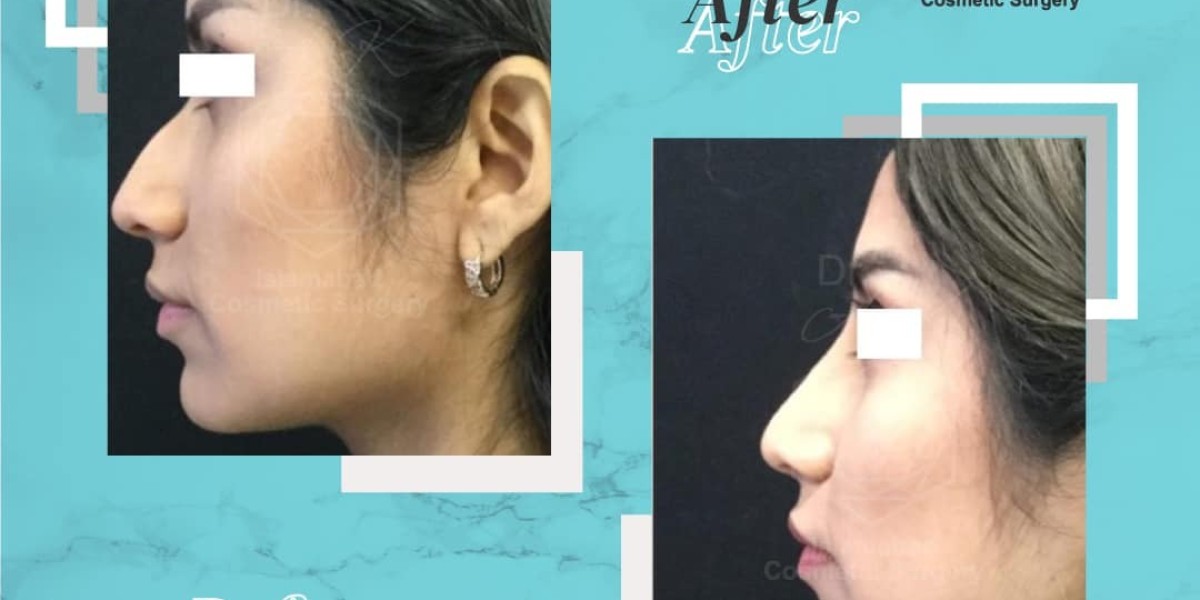

Rhinoplasty, commonly known as a nose job, is one of the most popular cosmetic procedures in Pakistan. People choose rhinoplasty to improve the appearance of their nose, correct breathing problems, or fix deformities caused by injuries. Understanding every aspect of this procedure is essential for anyone considering it. This guide will provide all the information you need about rhinoplasty in Pakistan, from preparation to recovery and expected results.
What is Rhinoplasty
Rhinoplasty is a surgical procedure that changes the shape, size, or structure of the nose. It can be performed for cosmetic reasons to enhance facial harmony or for medical reasons to correct functional issues such as breathing difficulties. The procedure requires precision, expertise, and careful planning to achieve safe and natural results.
Types of Rhinoplasty
There are several types of rhinoplasty available depending on the patient’s needs. Cosmetic rhinoplasty focuses on improving appearance by adjusting the size or shape of the nose. Functional rhinoplasty corrects structural problems that affect breathing. Some patients may need revision rhinoplasty to fix previous surgeries or injuries. Choosing the right type ensures that the results meet the patient’s expectations and medical requirements.
Choosing a Surgeon
Selecting a skilled surgeon is the most important factor in successful rhinoplasty in Pakistan. A qualified surgeon has extensive training in both cosmetic and reconstructive procedures. Experience matters because it ensures that the surgeon can handle complex cases and deliver natural-looking results. Patients should look for surgeons with a proven track record of successful procedures and positive patient feedback.
Pre-Surgery Consultation
Before the procedure, the surgeon will conduct a detailed consultation. This includes examining the patient’s facial structure, discussing goals, and explaining the surgical plan. Patients are informed about potential risks, recovery times, and expected results. A thorough consultation helps the patient understand the process and makes the procedure safer and more predictable.
Procedure and Techniques
Rhinoplasty can be performed using different techniques depending on the complexity of the surgery. Open rhinoplasty involves small incisions on the outside of the nose, allowing the surgeon to see and reshape the nasal structure. Closed rhinoplasty uses incisions inside the nose, resulting in minimal visible scarring. Advanced surgical techniques help reduce complications, shorten recovery, and improve precision.
Anesthesia and Safety
The procedure is performed under anesthesia, either general or local, depending on the complexity of the surgery. Safety is a priority, and patients are monitored throughout the procedure. Modern clinics in Pakistan follow strict hygiene and safety protocols to minimize risks. Patients should ensure that their surgery is conducted in a clean, well-equipped facility by a qualified surgeon.
Recovery Process
Recovery is an important part of rhinoplasty in Pakistan. Swelling and bruising are common in the first few weeks. Most patients can resume daily activities after one to two weeks, but full recovery may take several months. Following the surgeon’s instructions carefully, including avoiding strenuous activities, helps ensure proper healing and optimal results.
Costs of Rhinoplasty
The cost of rhinoplasty varies depending on the type of procedure, surgeon experience, clinic standards, and geographic location. Patients should focus on value rather than just price. Investing in a skilled surgeon ensures safety, quality results, and fewer chances of complications. A thorough consultation will provide an accurate cost estimate for the individual case.
Emotional Considerations
Rhinoplasty is not only a physical procedure but also an emotional experience. Patients should have realistic expectations and be prepared for the changes. Being emotionally ready helps manage the recovery process and ensures satisfaction with the results. Clear communication with the surgeon about goals and concerns is essential for a successful outcome.
Tips for a Successful Rhinoplasty
To achieve the best results, patients should research their surgeon, follow pre-surgery instructions, maintain good health, and plan for recovery time. Choosing a trusted clinic, attending all follow-up appointments, and avoiding habits like smoking or excessive alcohol consumption help support healing and long-term results.
Conclusion
Rhinoplasty in Pakistan is a safe and effective way to improve appearance or correct nasal problems when performed by a skilled surgeon. Understanding the procedure, choosing the right surgeon, preparing properly, and following recovery instructions are key to achieving natural, satisfying results. Anyone considering this procedure should take the time to research and plan carefully to ensure the best outcome for their individual needs.